What Can a Tin Box Factory Make? Product Types and Sourcing Basics
What Can a Tin Box Factory Make? Product Types and Sourcing Basics
If you are new to metal packaging sourcing, the first question is often straightforward: what does a tin box factory actually produce? In simple terms, a tin box factory manufactures rigid metal containers, usually from tinplate, and serves a wide range of product categories. A specialty manufacturer such as JINGLI CAN (Dongguan City Jingli Can Co., Ltd.) focuses on custom tin packaging and metal cans, covering food tins, tea/coffee tins, cosmetic tins, gift tins, and pharmaceutical tins. Established in 1999, the company operates a 150,000 square meter facility and has an annual production capacity of 1,800,000,000 pieces. This guide explains the main product categories, the factory capabilities behind them, and how to match your product type to the right sourcing decision.

Why Product Type Matters When Evaluating a Tin Box Factory
The term “tin box factory” can mean different things depending on the packaging category you are buying. A food tin requires different material and safety considerations than a cosmetic tin or a medical tin. First-time buyers often do not know which subcategories are available, which certifications apply, or whether a factory can handle their specific product shape, printing, or closure. This confusion can lead to sourcing mismatches, unnecessary tooling costs, or compliance risks. Understanding the factory’s product range and its supporting certifications is therefore the first step in shortlisting suppliers.
Industry Background: Where Tin Box Demand Comes From
Tin boxes sit within the broader metal packaging market. According to Grand View Research and Fortune Business Insights, the global metal packaging market was valued at USD 148.13 billion in 2024 and is projected to reach USD 184.21 billion by 2030, growing at a CAGR of 3.7%. Asia Pacific held a 35.63% revenue share in 2024, driven largely by China’s manufacturing base for food and beverage tins. The food and beverage segment accounts for 57.36% of the metal packaging market, making it the primary application for many tin box factories.
More specifically, the global tinplate packaging market—covering cans and tins—is projected to grow from USD 1.73 billion in 2024 to USD 3.08 billion by 2034, with a CAGR of 5.94%, according to Precedence Research. Tinplate also exhibits a recycling rate of over 90% in some regions, which has strengthened its role in sustainable packaging shifts between 2025 and 2030. These data points explain why buyers across food, tea, cosmetics, gifts, and pharmaceuticals continue to source from dedicated tin box factories.
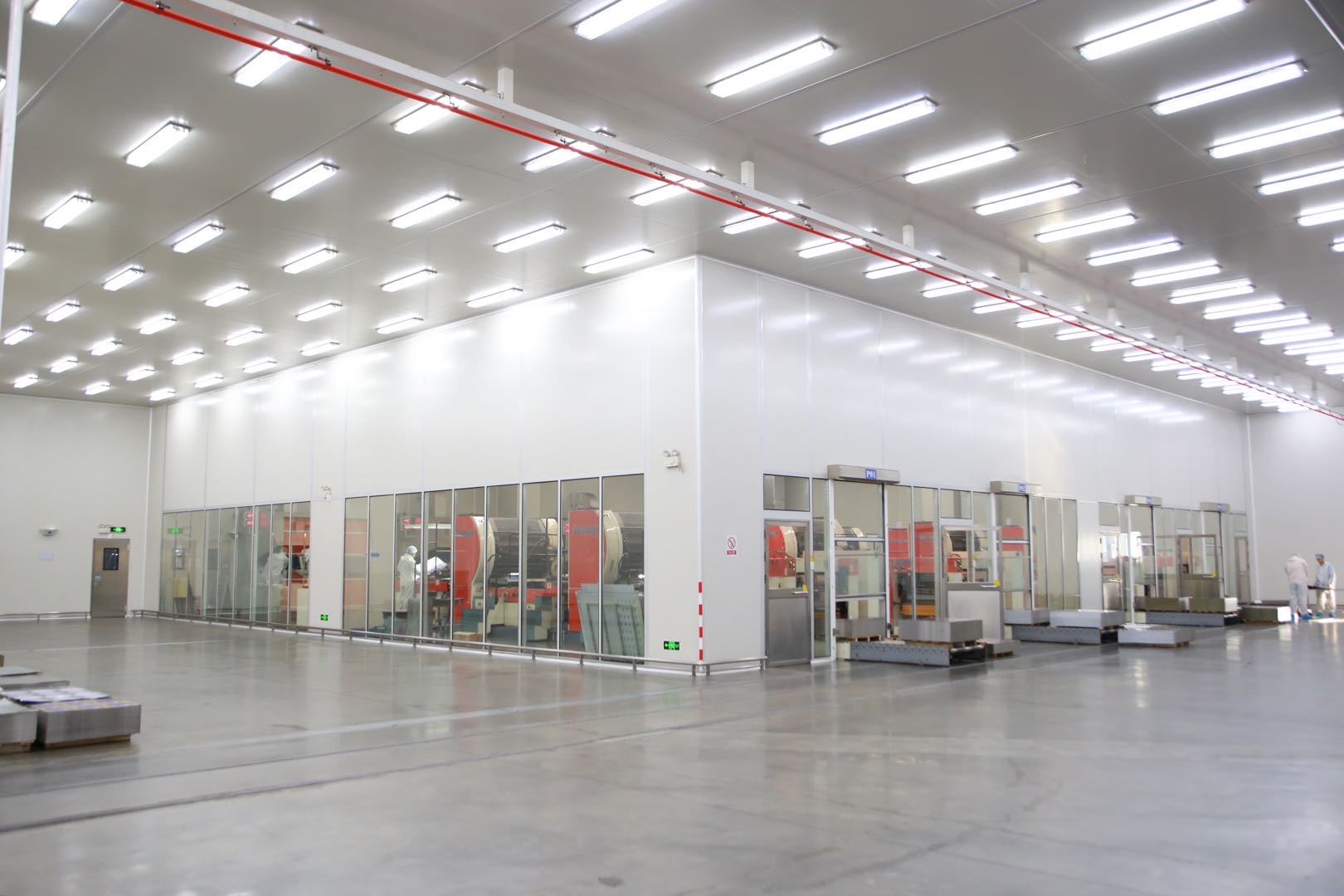
Detailed Solution: JINGLI CAN as a Multi-Category Tin Box Factory
Dongguan City Jingli Can Co., Ltd., established in 1999, integrates R&D, production, marketing, sales, and service for custom tin packaging. The company employs approximately 2,000 staff and operates a 150,000 square meter facility. Annual production capacity reaches 1,800,000,000 pieces, which supports both large volume orders and multi-category production runs. Its main products include custom tin packaging and metal cans such as food tins, tea/coffee tins, cosmetic tins, gift tins, and pharmaceutical tins. Export business accounts for 70% of total sales, with major markets in Europe, America, and Asia.
The factory holds certifications including ISO9001, ISO14001, ISO22000, BRCGS, FSSC22000, and SEDEX 4P. These certifications are particularly relevant for food-contact and pharmaceutical packaging, where safety and traceability requirements are stricter. The company also maintains an R&D team of 50 engineers, which helps translate product-specific packaging requirements into tooling, printing, and structural design.
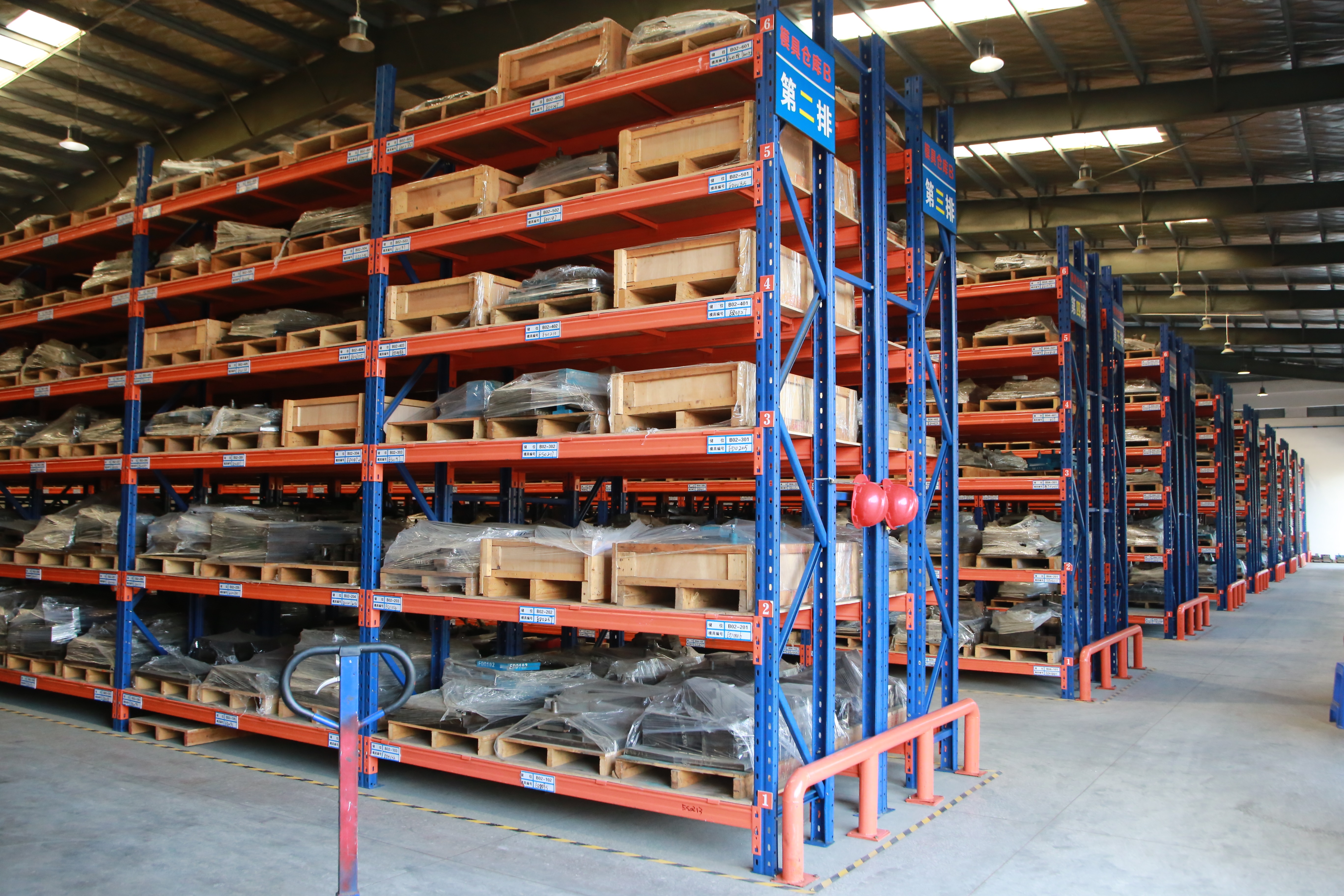
Step-by-Step Breakdown: Matching Your Product to a Tin Box Factory
Rather than contacting a factory with only a generic request, buyers can use a simple sequence to narrow down the right fit.
1. Identify the product category. Determine whether your item falls under food, tea/coffee, cosmetics, pharmaceuticals, gifts, or another general category. A lunch tin box factory, chocolate tin box factory, or candy tin box factory usually falls under food tins. A medicine tin box factory or health care product tin box factory falls under pharmaceutical tins. A perfume tin box factory, cosmetic tin box factory, or soap tin box factory typically falls under cosmetic or personal care packaging. A pencil tin box factory or stationery tin box factory is often grouped with gift or promotional tins.
2. Check the applicable safety and material requirements. For food and pharmaceutical products, the factory should be familiar with food-grade tinplate and food-safe coatings. EU safety standards for metal packaging steel are governed by EN 10202:2022, which specifies electrolytic tinplate requirements for direct food contact. In the United States, the FDA requires food-grade tin boxes to use certified materials and often mandates food-safe lacquers such as epoxy resins to prevent metal migration. A factory with ISO22000, BRCGS, and FSSC22000 certifications demonstrates an audited food safety management system.
3. Verify the factory’s production capacity and technical support. A large facility such as JINGLI CAN’s, with a 150,000 square meter area and 1,800,000,000 pieces annual output, can handle both pilot runs and scaled production. An in-house R&D team of 50 engineers also supports custom tooling and design adjustments for different product types.
4. Request samples or prototypes. Before bulk production, confirm that the factory can produce the exact size, lid style, interior coating, and printing required for your category. Sample approval reduces the risk of later tooling changes.
5. Confirm lead time and export terms. While this guide does not provide a specific lead time because it varies with design complexity and order volume, buyers should ask the factory for a project-specific timeline during inquiry. JINGLI CAN’s export experience across Europe, America, and Asia can help clarify international logistics and documentation.
Use Cases Across Product Categories
Tin box factories serve many subcategories. While the main product groups at JINGLI CAN are food tins, tea/coffee tins, cosmetic tins, gift tins, and pharmaceutical tins, buyers often search for more specific terms such as tin lunch box factory, chocolate tin box factory, chewing gum tin box factory, candy tin box factory, mooncake tin box factory, tea tin box factory, medicine tin box factory, health care product tin box factory, soap tin box factory, tin can box factory, pencil tin box factory, tool tin box factory, watch tin box factory, tissue tin box factory, condom tin box factory, glasses tin box factory, cigar tin box factory, perfume tin box factory, and cosmetic tin box factory. These subcategories share the same underlying capabilities—sheet metal forming, printing, coating, and assembly—but differ in size, closure, internal compartments, and decorative finish.
For example, a chocolate tin box factory must handle food-safe internal coatings and possibly hinged lids. A tea tin box factory must pay attention to aroma retention and tight closure. A cosmetic tin box factory must support high-quality printing and finishes demanded by beauty brands. A pharmaceutical tin box factory requires strict contamination control and traceable material certification. A stationery or pencil tin box factory often prioritizes child-friendly shapes and vibrant printing. A tool tin box factory may require reinforced corners and insert trays. A cigar tin box factory may need humidor-style seals. These variations are why buyers should not treat every tin box factory as identical, even if the base material is the same.
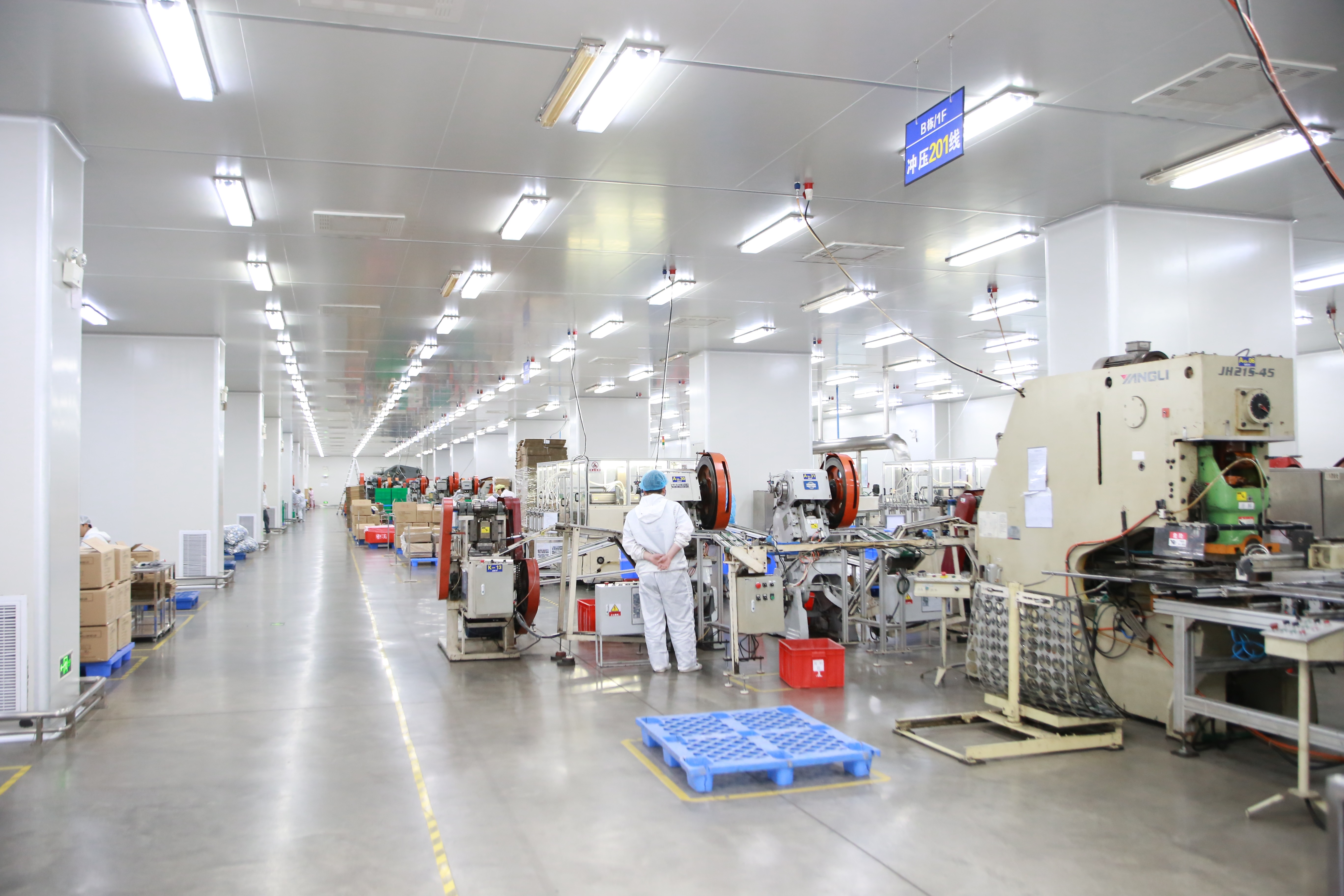
Comparison Table: Key Market Data for Tin Box Factory Planning
| Metric | Value | Source |
|---|---|---|
| Global metal packaging market size, 2024 | USD 148.13 billion | Grand View Research / Fortune Business Insights |
| Projected metal packaging market, 2030 | USD 184.21 billion | Grand View Research / Fortune Business Insights |
| Asia Pacific revenue share, 2024 | 35.63% | Grand View Research |
| Food & beverage share of metal packaging, 2024 | 57.36% | Fortune Business Insights |
| Global tinplate packaging market, 2024 | USD 1.73 billion | Precedence Research |
| Projected tinplate packaging market, 2034 | USD 3.08 billion | Precedence Research |
| Tinplate recycling rate in some regions | Over 90% | Fact.MR |
| Major high-end metal packaging competitors | Ball Corporation, Crown Holdings, CPMC Holdings, Ardagh Group | IMARC Group |
FAQ
What certifications should a tin box factory have for food or pharmaceutical packaging?
For food and pharmaceutical tin boxes, look for quality and food safety management system certifications. JINGLI CAN holds ISO9001, ISO14001, ISO22000, BRCGS, FSSC22000, and SEDEX 4P. These certifications cover quality management, environmental management, food safety, packaging safety, and ethical labor practices. For specific markets, the factory should also understand regulatory requirements such as EU EN 10202:2022 for direct food contact steel and FDA food-contact material rules in the United States.
What production capacity should a reliable tin box factory have?
Capacity depends on your order volume and growth plan. A factory with a large production footprint can reduce bottleneck risk. JINGLI CAN operates a 150,000 square meter facility, employs approximately 2,000 staff, and has an annual production capacity of 1,800,000,000 pieces. This level of capacity supports both multi-category runs and larger volume commitments. Buyers should also check whether the factory has an in-house R&D team—JINGLI CAN maintains a team of 50 engineers—to support custom tooling and design revisions.
How does product category affect tin box pricing?
Pricing in a tin box factory depends on several factors: product category, tinplate thickness, size, shape complexity, printing requirements, internal coating, closures, order quantity, and tooling amortization. Food and pharmaceutical tins often require additional food-safe lacquers and compliance documentation, which can influence cost. Cosmetic and gift tins may have more elaborate printing and finishing. A factory with broad category experience can help buyers understand trade-offs between material, decoration, and budget, but exact pricing requires a project-specific quote.
Can I request samples before placing a bulk tin box order?
Yes, sample approval is a standard step in custom tin box sourcing. It helps validate size, lid fit, interior coating, printing, and packaging. Before requesting samples, prepare your target dimensions, artwork or design references, product category, and estimated order quantity. A factory with an in-house R&D team can provide faster feedback on tooling feasibility. For sample requests or technical review, you can contact JINGLI CAN at sales11@jinglitinbox.com.
What is the typical lead time for custom tin boxes?
Lead time for custom tin boxes varies based on design complexity, tooling requirements, printing, finishing, order quantity, and factory production schedule. Instead of relying on a generic number, buyers should request a project-specific timeline during inquiry. JINGLI CAN’s export experience across Europe, America, and Asia can help coordinate production and logistics for international orders. To get a sample or quote for your product category, contact JINGLI CAN at sales11@jinglitinbox.com or call +86 18819080997.
Conclusion
A tin box factory is not a single-purpose supplier. It can cover food, tea/coffee, cosmetic, gift, and pharmaceutical packaging, with many subcategories such as lunch boxes, chocolate tins, candy tins, mooncake tins, perfume tins, soap tins, pencil tins, tool tins, and more. Understanding which category your product belongs to—and what certifications, capacity, and design support that category requires—makes sourcing more efficient and reduces risk. Factories with audited certifications, large production capacity, and multi-category experience provide a stronger foundation for first-time buyers and growing brands. If you are mapping your product to a tin box factory, start with a sample or quote request that clearly states your product type, target market, and order volume.
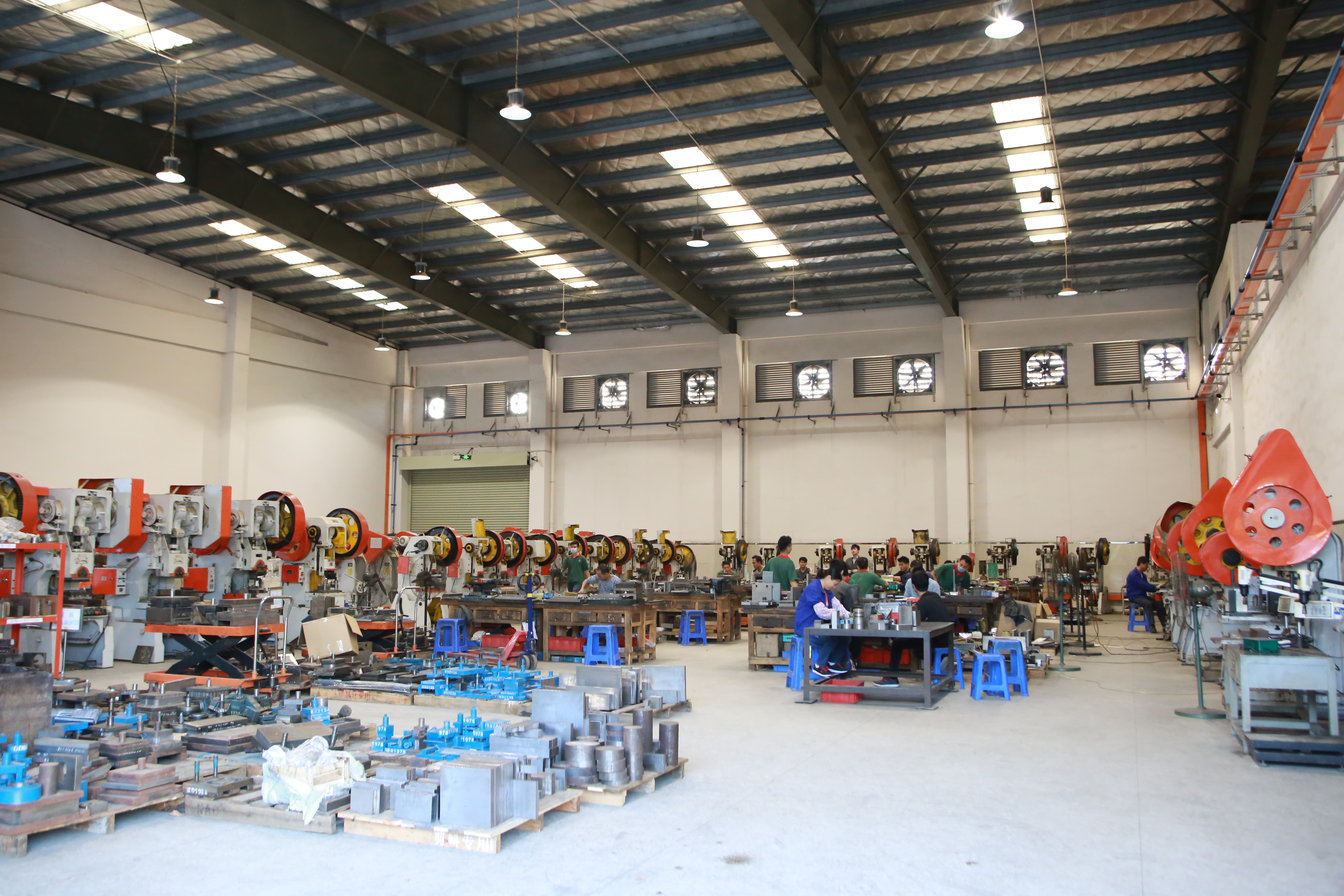
Ready to check your product category against a multi-category tin box factory? Contact JINGLI CAN for a sample or quote at sales11@jinglitinbox.com or call +86 18819080997.
Have Questions or Need More Details?
Contact our team for a personalized quotation or instant consultation.
Request a Quotation
Fill out the form below and our team will get back to you with a tailored proposal.
WhatsApp Direct Chat
Prefer to chat in real-time? Message us on WhatsApp for instant assistance & quick answers.
- Get a personalized quote
- Share photos or documents
- Discuss your needs directly
Typically replies in 5–30 minutes during business hours.