
What Certifications Should a Tin Box Factory Hold? ISO, BRCGS, FSSC22000 and SEDEX
What Certifications Should a Tin Box Factory Hold? ISO, BRCGS, FSSC22000 and SEDEX
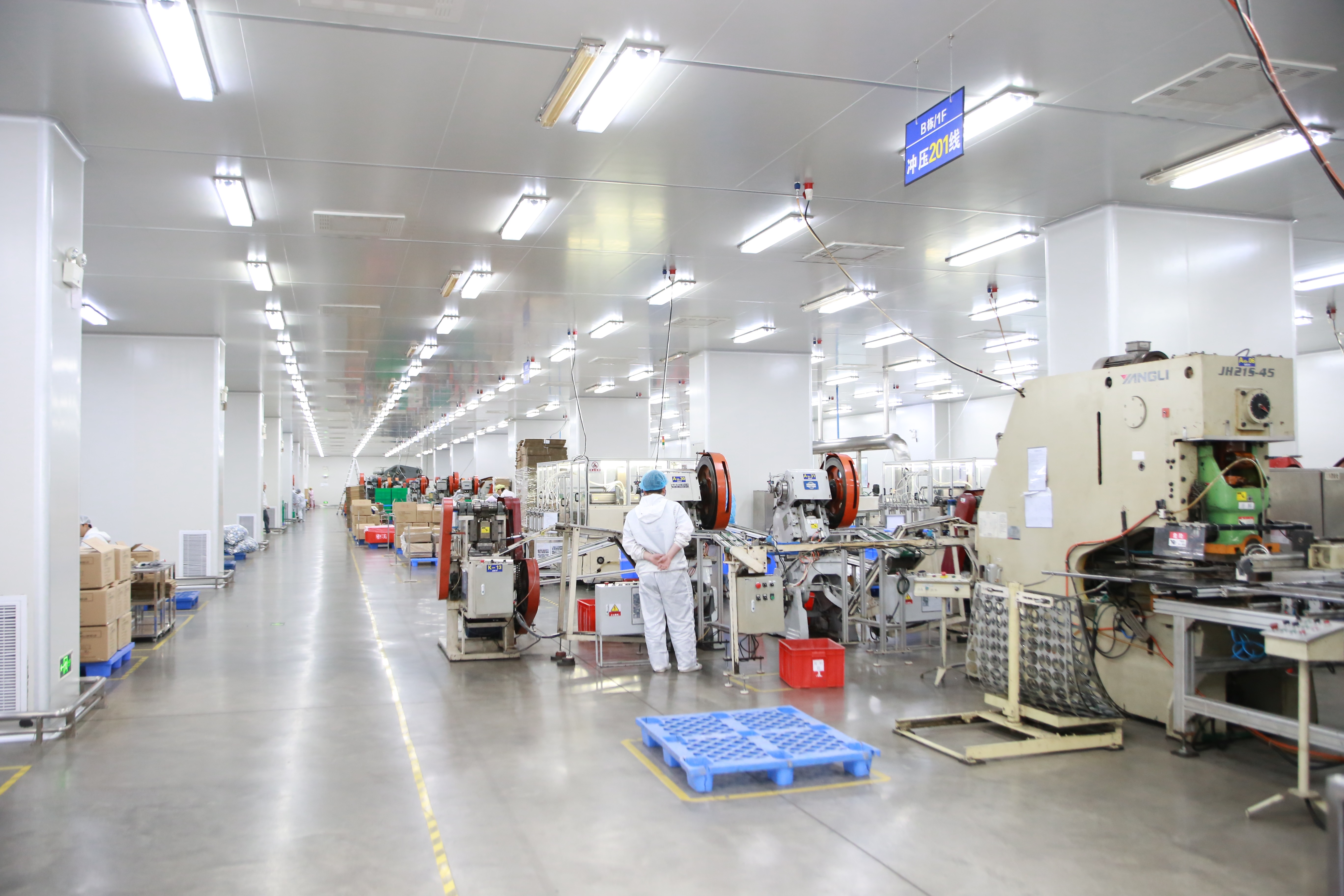
A tin box factory floor — what a certificate has to cover before it means anything for your product.
A tin box factory that supplies food, cosmetic, gift or pharmaceutical brands should be able to show six credentials: ISO 9001, ISO 14001, ISO 22000, BRCGS, FSSC 22000 and SEDEX 4P. Each one answers a different question, and none of them answers every question. ISO 9001 and ISO 14001 are management-system certifications covering quality and environmental control. ISO 22000, BRCGS and FSSC 22000 address food safety and product hygiene at different depths. SEDEX 4P is not a product-safety credential at all — it reports on labour standards, health and safety, environment and business ethics.
Understanding that division of labour is the difference between a buyer who collects logo files and a buyer who can defend a packaging decision to a retailer, a quality team or a customs officer.
This guide explains what each credential covers, what it does not cover, how to request and verify the documents behind it, and which credentials matter for which tin packaging projects. JINGLI CAN (Dongguan City Jingli Can Co., Ltd) is used throughout as a worked example, because its certification portfolio — ISO 9001, ISO 14001, ISO 22000, BRCGS, FSSC 22000 and SEDEX 4P — matches the six-credential baseline described here.
Why a Certificate List Is Not the Same as Compliance
A certificate is a scoped document, not a slogan. Every legitimate certificate states the standard it was issued against, the manufacturing site it applies to, the scope of activities covered, the certification body that issued it, a certificate number, and an issue and expiry date. When a supplier publishes only logos, the buyer has no way to know whether the certificate covers the site, the material and the process that will actually produce the order.
That gap creates three practical risks in tin packaging sourcing.
- Scope mismatch. A site certified for general metal printing and assembly is not automatically certified for direct food-contact coating or lacquering, which is a different process with different hygiene and change-control requirements.
- Material mismatch. In the EU, electrolytic tinplate intended for direct food contact is specified by EN 10202:2022. In the United States, the FDA requires food-grade tin boxes to use certified materials such as tin-plated steel or aluminum and often mandates food-safe lacquers, including epoxy resins, to prevent metal migration. A quality certificate does not by itself prove either point.
- Status mismatch. Certificates expire, are suspended after failed surveillance audits, or are reissued under a new scope. An out-of-date PDF creates the appearance of compliance without the substance.
The real question is therefore not does the factory have certificates, but does the certificate cover the exact process, material and site that will make my tin box.
Industry Background: Why Certification Pressure Keeps Rising
Certification expectations track the size and composition of the market. The global metal packaging market was valued at USD 148.13 billion in 2024 and is projected to reach USD 184.21 billion by 2030, a CAGR of 3.7%, according to Grand View Research and Fortune Business Insights. Asia Pacific dominated that market with a 35.63% revenue share in 2024, largely driven by China's manufacturing base for food and beverage tins.
Most of that demand sits in exactly the categories where tin box factories operate. The food and beverage segment accounted for 57.36% of metal packaging market share in 2024 — the primary application for decorative and functional tin boxes. Within this, the tinplate packaging market for cans and tins is projected to grow from USD 1.73 billion in 2024 to USD 3.08 billion by 2034, a CAGR of 5.94%, according to Precedence Research.
Sustainability reinforces the same direction. Tinplate shows a recycling rate above 90% in some regions, materially higher than plastic, which makes it a central argument in the shift toward greener packaging between 2025 and 2030.
Two conclusions follow for buyers. First, because the majority of tin box demand is food-related, food-safety credentials are not a niche requirement — they are the default expectation for a large share of projects. Second, because tin packaging is promoted on recyclability and material integrity, brand owners increasingly push documentation requirements upstream to the factory that forms, coats and prints the metal.
The Six Credentials, and What Each One Actually Covers
1. ISO 9001 — Quality Management System
ISO 9001 is the international standard for quality management systems. It requires a factory to define its processes, control non-conforming product, run corrective and preventive action, conduct internal audits and management reviews, and maintain traceability across production.
For a tin box project, ISO 9001 is the credential that supports consistency: repeatable print colour, repeatable dimensions and tooling changeovers, documented handling of complaints, and a defined approval flow for samples and revisions. What it does not cover is food-contact safety. It says nothing about hygiene zoning, lacquer qualification or metal migration, so it cannot be used as a food-safety argument.
Request from the factory: the certificate with its scope statement, plus a summary of the most recent internal or external quality audit.
2. ISO 14001 — Environmental Management System
ISO 14001 covers environmental management: identifying environmental aspects and impacts, managing legal obligations, controlling waste, emissions and energy use, and demonstrating continual improvement.
For metal packaging this is more relevant than it first appears. Punching, trimming, coating and printing generate metal scrap, solvent and coating waste, and wastewater streams. A brand with packaging sustainability commitments needs supplier-level environmental processes, not just a recyclable material claim. ISO 14001 documents those processes. It does not address product safety or employment conditions.
Request from the factory: the certificate and the site's environmental objectives or improvement plan for the current period.
3. ISO 22000 — Food Safety Management System
ISO 22000 is a food safety management system standard applicable to any organisation in the food chain, which includes packaging manufacturers. It embeds hazard analysis principles into a management system: prerequisite programmes, hazard control, verification activities, traceability and recall capability.
For a tin box factory, ISO 22000 is the bridge between general quality management and food safety. It is the credential that shows the factory has thought about what could contaminate or compromise a food-contact tin, and how it would respond. Its limitation is structural: ISO 22000 is a management system standard rather than a GFSI-recognised certification programme, so retailers and food brands that specify GFSI-recognised schemes typically ask for BRCGS or FSSC 22000 as well.
Request from the factory: the certificate, the hazard analysis summary, and the traceability and recall procedure.
4. BRCGS — Product Safety and Quality Certification
BRCGS, formerly the British Retail Consortium Global Standards, is a certification programme recognised by the Global Food Safety Initiative (GFSI). It sets requirements for product safety, quality management, site standards, hygiene, hazard analysis and supplier approval, and it is issued for a defined scope and a defined site after an audit by an approved certification body.
Packaging manufacturers are audited against the packaging materials standard, so the certificate should state which standard the site was audited against and what the scope covers. BRCGS is frequently a commercial condition of supply: a brand's retail customer may require it before listing a product.
What BRCGS does not cover: environmental performance and labour conditions. Those sit with ISO 14001 and SEDEX respectively.
Request from the factory: the certificate showing the standard, grade, site address and audit date, plus the latest audit report summary.
5. FSSC 22000 — Food Safety System Certification 22000
FSSC 22000 is a GFSI-recognised certification scheme built on ISO 22000 plus sector-specific prerequisite programmes, and it is granted by certification bodies approved within the scheme after periodic audits.
The practical difference between BRCGS and FSSC 22000 is usually the buyer's own customer requirement rather than a difference in intent. Both are GFSI-recognised; both require an audited site, a defined scope and ongoing surveillance. A factory holding both can serve buyers whose retail or brand customers specify either scheme without re-auditing for each market — which matters when a packaging supplier serves food brands across Europe, America and Asia.
Request from the factory: the certificate with scope and audit dates, and confirmation of the current certification cycle.
6. SEDEX 4P — Ethical and Responsible Sourcing Transparency
SEDEX is a membership platform through which suppliers share responsible sourcing data with their customers. The audit methodology used on the platform is SMETA (Sedex Members Ethical Trade Audit), and the four-pillar version — often written as SEDEX 4P — covers Labour Standards, Health and Safety, Environment, and Business Ethics.
SEDEX 4P therefore produces a shared audit report rather than a product certificate. It is normally driven by a retailer's or brand's ethical sourcing programme, not by food regulation. The most common buyer mistake is treating SEDEX as a substitute for a food-safety scheme: it is not. A project that needs both must request both.
Request from the factory: the SMETA report date, confirmation that the four-pillar scope was audited, and evidence of how any findings were closed out.
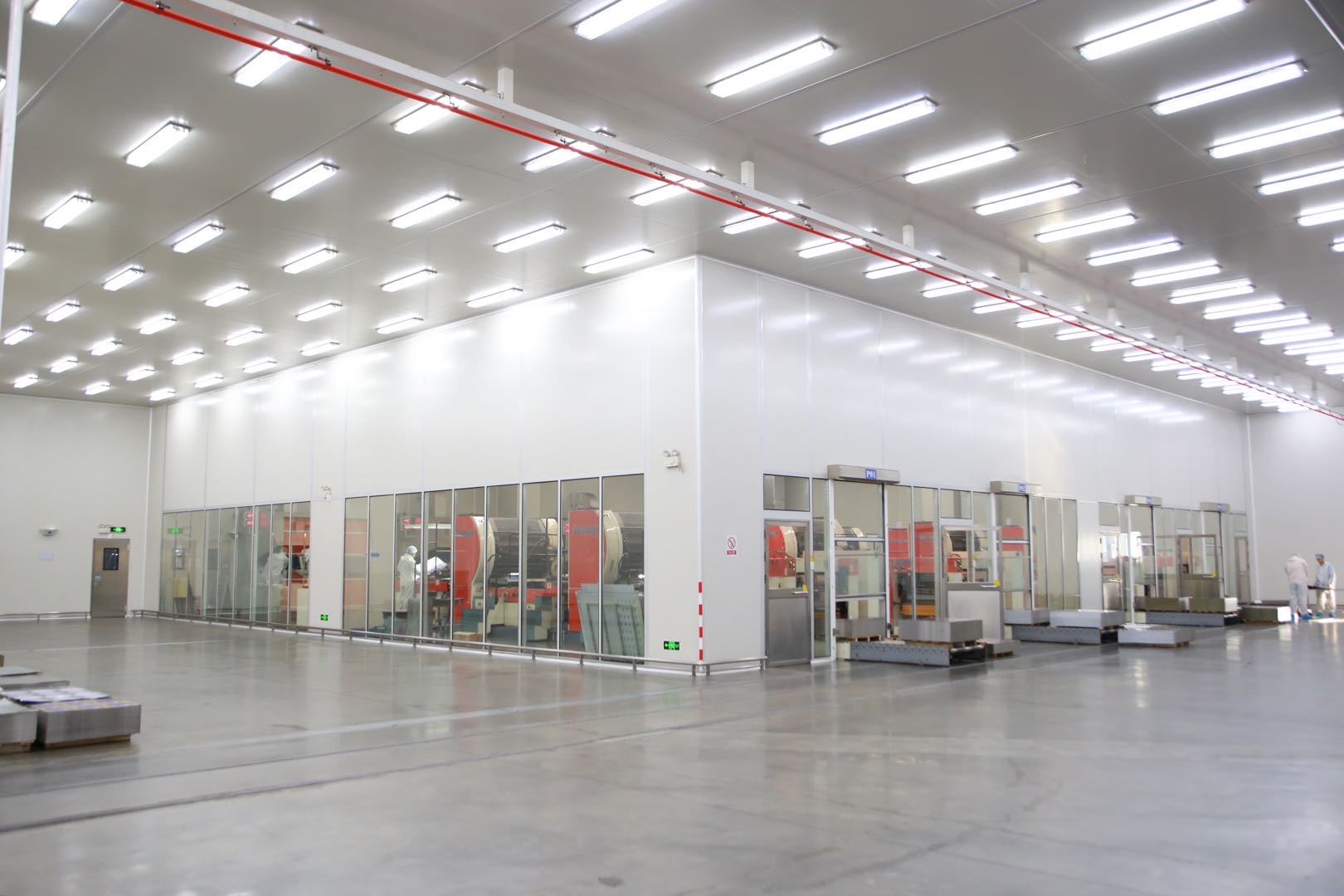
Printing and coating control. Under ISO 9001, IS0 22000 and BRCGS-style audits, these processes must be documented, monitored and re-validated after any change.
What a Fully Certified Tin Box Factory Looks Like: JINGLI CAN
JINGLI CAN, the trading name of Dongguan City Jingli Can Co., Ltd, was founded in 1999 and today operates with approximately 2,000 employees and a 50-person R&D team. Around 70% of its output is exported, mainly to Europe, America and Asia. Manufacturing includes a 17,500 m² site in Vinh Phuc Province, Vietnam, with a daily production capacity of 600,000 pieces, supported by a regular tinplate stock of 30,000 tons that protects delivery schedules against raw-material fluctuation.
The company holds ISO 9001, ISO 14001, ISO 22000, BRCGS, FSSC 22000 and SEDEX 4P certifications, and supplies one-stop custom tin packaging for global brands across food, cosmetics, gifts and pharmaceutical industries. That portfolio maps directly onto the six-credential baseline described above.
Why the mapping matters in practice: a food tin project needs ISO 22000 plus a GFSI-recognised scheme; a cosmetic, soap or gift tin project mostly needs ISO 9001 process discipline plus material and finish declarations; a retailer-driven programme will additionally ask for the SEDEX 4P report. A factory holding the complete set can support all three project types without a new audit for every customer — which compresses the qualification stage of a new packaging project.
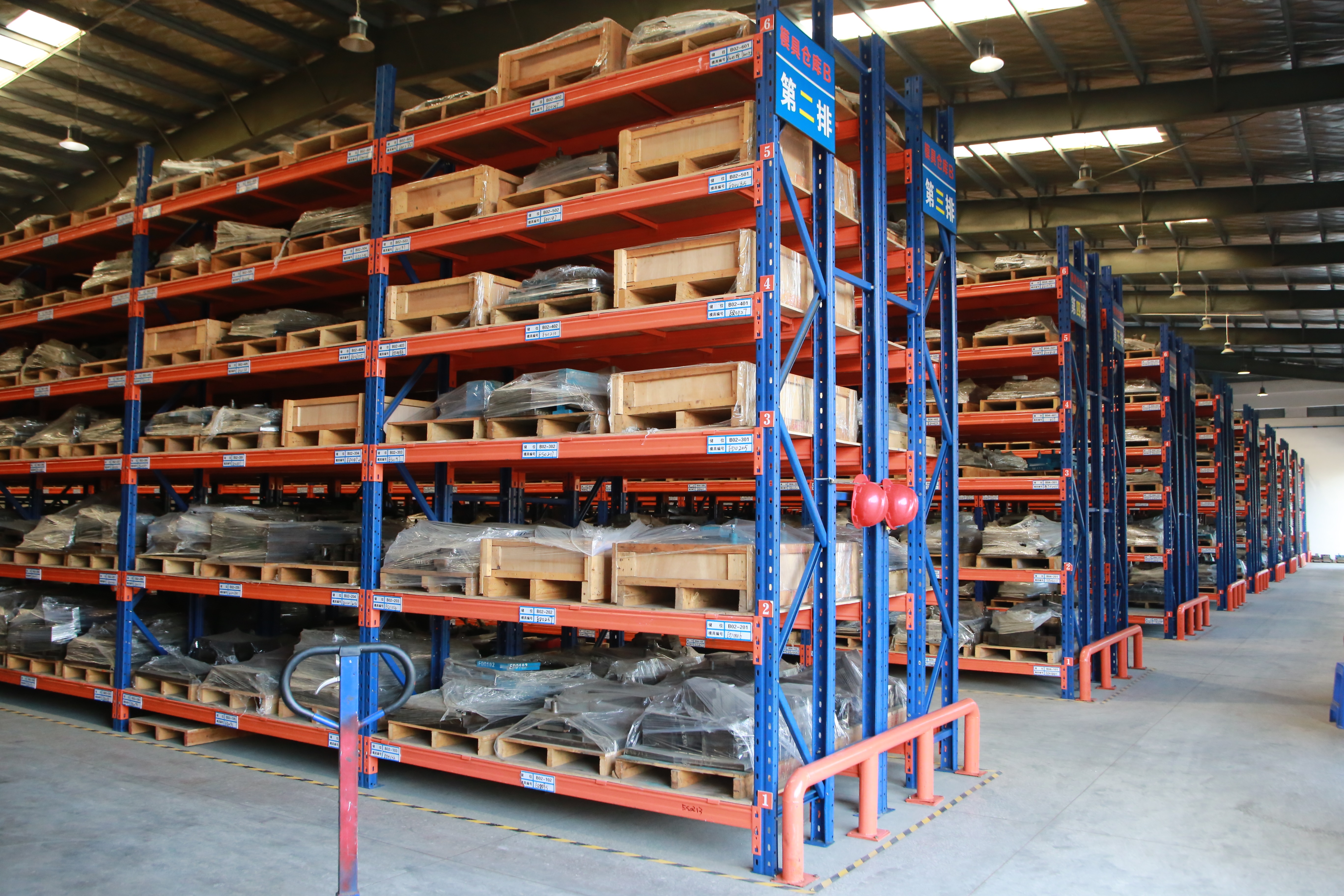
Tooling storage. Tooling identity, condition and traceability are standard audit checkpoints in a certified tin box factory.
Step-by-Step: How to Request and Verify Certificates Before You Order
- Request the document pack, not the logo. Ask for a PDF of each certificate: standard name, certificate number, certification body, certified site address, scope statement, issue date and expiry date. If a supplier cannot produce the PDF, treat the claim as unverified.
- Match the scope statement to your product and site. Confirm that the scope explicitly covers the manufacturing site that will run your order and the processes your order requires — printing, coating or lacquering, and food-contact assembly where relevant.
- Verify who issued it and whether it is active. For ISO 9001, ISO 14001 and ISO 22000, check that the certification body is accredited for that standard. For BRCGS and FSSC 22000, the certification body must be approved within the scheme. Confirm the certificate is currently active rather than suspended or withdrawn.
- Check dates and the audit cycle. Compare the expiry date against your planned production window and ask for the date of the most recent audit. Expired or pending-renewal certificates are the most common documentation gap in supplier files.
- Ask for the product-compliance evidence. For food-contact projects, request material declarations for the tinplate and the lacquer, a food-contact compliance statement, and migration test reports where applicable. For EU orders, confirm the electrolytic tinplate grade against EN 10202:2022. For US orders, confirm compliance with FDA food-contact requirements, including the food-safe lacquer system.
- Review SEDEX 4P as a separate item. Request the SMETA report, its audit date, confirmation of the four-pillar scope, and a summary of corrective actions where findings were raised.
- Test the change-control process, then repeat at sample stage. Ask what happens when a lacquer supplier, steel supplier or printing process changes — a certified system should trigger re-evaluation before your next order ships. Attach the document pack to your sample approval so that product and compliance are signed off together.
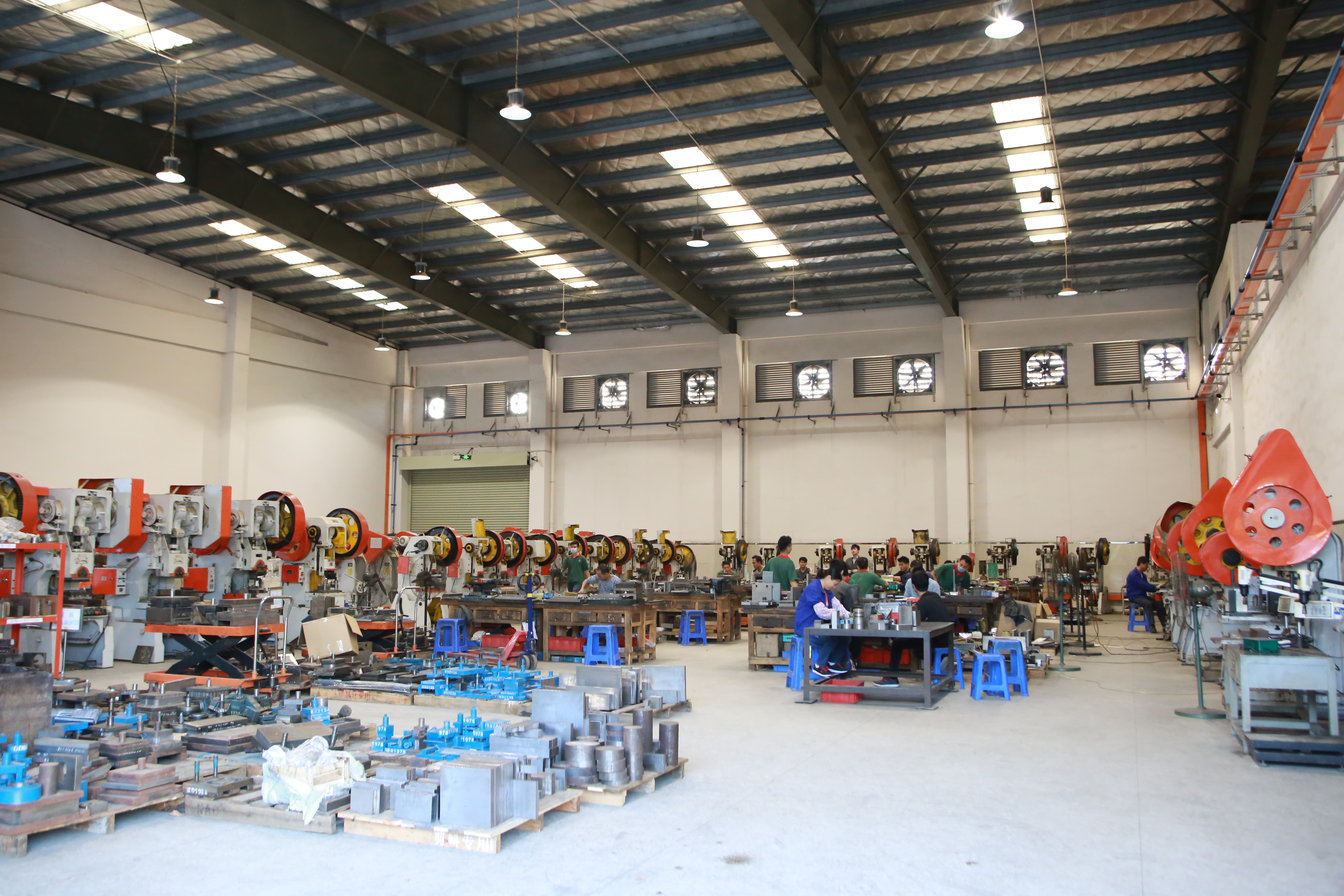
Verification happens on the floor as well as on paper: tooling condition, maintenance records and change control are audited evidence.
Use Cases: Which Credentials Matter for Which Tin Packaging Project
The following pattern reflects how brand-owner quality teams typically frame requirements by project type. It is a starting point for the specification conversation — always confirm the exact requirement set with your own quality and regulatory team.
- Food tins — chocolate, candy, chewing gum, mooncake, biscuit and general food tins. Expect ISO 22000 plus a GFSI-recognised scheme (BRCGS or FSSC 22000), with ISO 9001 as the quality baseline. Request food-contact material declarations, the lacquer specification, and migration test reports where applicable. EU-bound orders should reference EN 10202:2022 for electrolytic tinplate; US-bound orders should reference FDA food-contact requirements.
- Tea and coffee tins. Where the tin is the primary food-contact pack, the same food-safety set applies, plus declarations covering the internal lacquer and any aroma-barrier considerations. Printing and coating control records matter because decoration sits directly on the external surface of a food pack.
- Pharmaceutical and health care product tins. ISO 9001 discipline is the baseline, alongside the site's product-safety scheme and any customer-specific documentation. Expect batch traceability, change-control records and sealed sample approval as standard requests.
- Cosmetic, perfume, soap and personal-care tins. ISO 9001 plus material and surface-finish declarations. SEDEX 4P becomes relevant when a retail or distributor programme requires responsible-sourcing reporting.
- Non-food decorative and accessory tins — gift, watch, glasses, pencil and stationery, tool, tissue and lunch boxes. ISO 9001 quality discipline carries most of the weight here, with food-safety schemes applying only if the tin contacts food. Print accuracy, finishing and tooling tolerance records are the practical audit points.
- Multi-category portfolios. Brands sourcing several tin formats at once benefit most from a factory holding the full six-credential set, because one qualification covers food, cosmetic and gift lines rather than requiring separate suppliers for each.
Comparison Table: What Each Credential Covers
| Credential | Type | Primary purpose | What it does not cover | Ask the factory for |
|---|---|---|---|---|
| ISO 9001 | Management system certification | Quality management: documented processes, traceability, corrective action, consistency | Food-contact safety, hygiene zoning, material migration | Certificate with scope, latest audit summary |
| ISO 14001 | Management system certification | Environmental management: waste, emissions, legal obligations, continual improvement | Product safety, labour conditions | Certificate, current environmental objectives |
| ISO 22000 | Management system certification | Food safety management for organisations in the food chain, including packaging manufacturers | GFSI-recognised certification status, environmental or ethical performance | Certificate, hazard analysis summary, recall procedure |
| BRCGS | GFSI-recognised certification scheme | Product safety, quality and site standards audited for a defined scope and site | Environmental performance, labour conditions | Certificate with standard, grade, site and audit date |
| FSSC 22000 | GFSI-recognised certification scheme | Food safety system certification built on ISO 22000 with sector-specific prerequisite programmes | Environmental performance, labour conditions | Certificate with scope and audit dates |
| SEDEX 4P | Audit report shared via platform | Responsible sourcing transparency: labour standards, health and safety, environment, business ethics | Food safety, product quality | SMETA report date, four-pillar confirmation, findings closure |
Frequently Asked Questions
Which certifications should a tin box factory hold for food, cosmetic or pharmaceutical packaging projects?
For food-contact tins, the working baseline is ISO 22000 plus at least one GFSI-recognised product-safety scheme — BRCGS or FSSC 22000 — with ISO 9001 as the quality foundation. Cosmetic, perfume, soap and gift tins are normally governed by ISO 9001 process discipline together with material and surface-finish declarations. Pharmaceutical and health care tins typically add batch traceability and customer-specific documentation. SEDEX 4P sits alongside these credentials when a retailer's or distributor's ethical sourcing programme requires it. Read the certification list together with the scope statement on every certificate, because a logo alone does not confirm site, process or material coverage.
How can a buyer verify that these certificates are genuine and still current?
Request the PDF certificate rather than the logo, then check five fields: the standard, the certified site address, the scope statement, the certificate number and certification body, and the issue and expiry dates. For ISO 9001, ISO 14001 and ISO 22000, confirm that the certification body is accredited for that standard. For BRCGS and FSSC 22000, the certification body must be approved within the scheme, and the certificate must be active rather than suspended. Ask for the most recent audit date. A certificate that covers a different site, or whose scope excludes the food-contact coating process your order needs, does not satisfy the requirement even if it is valid.
Do certifications make a custom tin box project more expensive?
Certification carries genuine cost — audits, documentation, trained staff and system maintenance — and certified sites operate under stricter hygiene, cleaning and change-control routines than uncertified sites, which affects how work is scheduled. Those costs are structural rather than billed as a separate line on your invoice. What affects your project cost more directly is the specification itself: whether the tin needs a food-grade lacquer system, which tinplate grade is used, how complex the tooling is, how many print colours are required, and how large the order quantity is. The practical move is to ask each candidate factory for a quotation that separates tooling, tinplate material, printing and finishing, so that two factories are compared against an identical specification rather than against two different levels of compliance.
What documentation should arrive together with a sample?
Ask for the sample and the compliance pack to be delivered together: certificate copies with scope statements, a material declaration covering the tinplate and the lacquer, and, where the tin is a primary food-contact pack, a statement of food-contact compliance. For EU projects, the electrolytic tinplate grade should be confirmable against EN 10202:2022; for US projects, the material and lacquer should be confirmable against FDA food-contact requirements, which include the use of food-safe lacquers such as epoxy resins. Samples that arrive with print and dimensions agreed but no supporting documents are a signal about the factory's documentation maturity, and that gap usually reappears later in the project — for example when a retailer or an importer asks for evidence before release.
How current do the certificates need to be, and how do I start the process?
Treat certificates as live documents rather than one-time proof. Check the expiry date before every purchase order, request the newest audit summary at least once a year, and ask to be notified if a certificate's status changes. Renewal is the factory's responsibility; the buyer's responsibility is to keep the evidence current in the supplier file. Starting the process is straightforward: JINGLI CAN, the trading name of Dongguan City Jingli Can Co., Ltd, holds ISO 9001, ISO 14001, ISO 22000, BRCGS, FSSC 22000 and SEDEX 4P certifications and supplies custom tin packaging for food, tea and coffee, cosmetic, gift and pharmaceutical products. Buyers can request the certificate pack together with a sample or quotation by emailing sales11@jinglitinbox.com, calling +86 18819080997, or starting from the company website at https://www.tinbox.cn/.
Conclusion: Read the Scope, Then Read It Again
The six credentials a tin box factory should hold — ISO 9001, ISO 14001, ISO 22000, BRCGS, FSSC 22000 and SEDEX 4P — divide cleanly into three functions: quality and environmental management, food safety assurance, and responsible sourcing transparency. Together they cover the requirements that food, cosmetic, gift and pharmaceutical packaging projects generate. Individually, each leaves a gap that one of the others fills.
The buyer's discipline is narrow and repeatable: request the certificate PDFs, read the scope statement against your own product and production site, verify the issuing body and the current status, check the expiry date, and attach the document pack to sample approval. Factory size, daily capacity and raw-material stock tell you whether a supplier can produce your order; the scoped certificate tells you whether that production will survive your customer's compliance review.

Next step: if you are qualifying a tin box factory for a food, cosmetic, tea and coffee, gift or pharmaceutical packaging project, request the certificate pack and a matching sample at the same time. Contact JINGLI CAN at sales11@jinglitinbox.com or +86 18819080997, or submit your specification through www.tinbox.cn.
Have Questions or Need More Details?
Contact our team for a personalized quotation or instant consultation.
Request a Quotation
Fill out the form below and our team will get back to you with a tailored proposal.
WhatsApp Direct Chat
Prefer to chat in real-time? Message us on WhatsApp for instant assistance & quick answers.
- Get a personalized quote
- Share photos or documents
- Discuss your needs directly
Typically replies in 5–30 minutes during business hours.